Featured
How Market Factors That Affect Increased Demand Are Seeki...
Not known Incorrect Statements About Inflation and How Mo...
Mandatory Documentation for Fee Waivers and Discounts for...

3 Easy Facts About The Pros to Consider When Considering ...

Unknown Facts About How Much How to Use Credit Cards Wisely to Avoid Debt : APFSC Usually Cost
Table of Contents
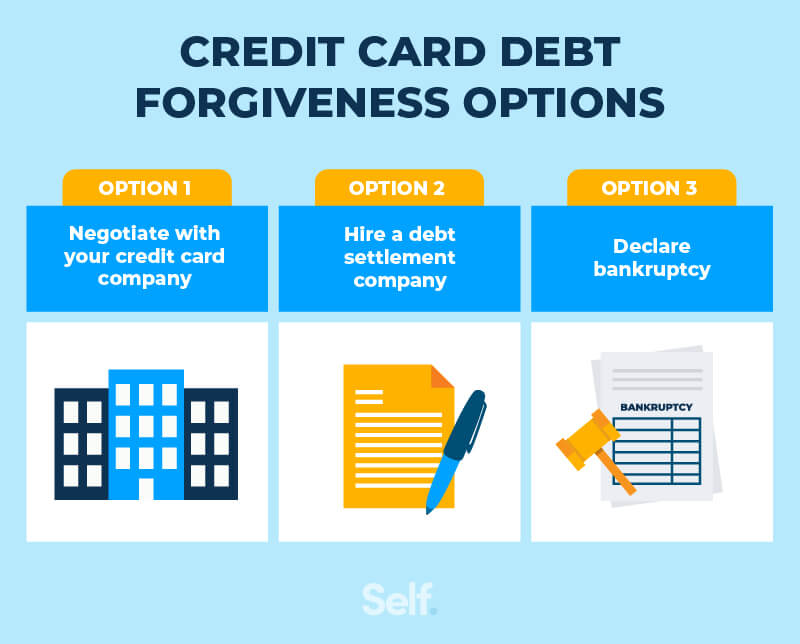
That liberates money in the short-term, and you may have 3 to four years to save towards the settlement amount. Extremely dangerous to credit rating, mainly because of missed repayments and an unfavorable "cleared up" mark that can stay on your credit rating report for as much as seven yearsMay be only option if other options (financial debt combination, equilibrium transfer bank card, debt forgiveness) aren't possibleTypically calls for a fee to the third party, which could balance out some or all of the cost savings from financial obligation settlementMay assist you stay clear of bankruptcy if you've missed out on several paymentsNot all lenders deal with financial debt negotiation firms Financial obligation forgiveness may be right for you if you are experiencing a financial hardship that makes it almost impossible to pay for your financial obligation balances.
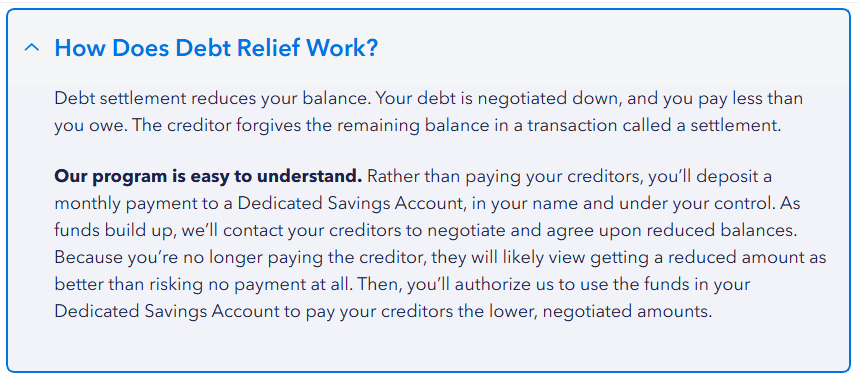
With a DMP, you make one month-to-month payment to the credit score counseling agency. Those funds are then dispersed to creditors of your unsecured debts, such as bank card and installment car loans. The company collaborates with your lenders to decrease rate of interest or forgo costs, however some lenders might reject such concessions.
It can aid you pay down financial obligation if you're able to safeguard a finance price that's lower than the typical rate of the accounts you're consolidating. You have to abstain from racking up financial debt on those freshly removed accounts or your financial obligation might expand even greater.
These cards frequently provide a 0% rate of interest initial duration of as much as 21 months. That provides you lots of time to remove or substantially reduce your balance while making interest-free settlements. For some people encountering insurmountable financial debt, personal bankruptcy might be the only way to quit collection proceedings and lawfully settle their financial obligations.
Things about Recovering Personal Financial Standing the Smart Way
You might require it if your creditor or a collection company ever before tries to collect on the financial debt in the future. When a lender forgives $600 or more, they are called for to send you Form 1099-C.
Financial obligation forgiveness or negotiation generally harms your credit history. Anytime you work out a financial debt for much less than you owe, it might appear as "settled" on your debt record and impact your credit rating for seven years from the date of settlement. Your credit history can also drop significantly in the months bring about the forgiveness if you fall back on repayments.
A Biased View of Value Compared to DIY Options
This situation commonly results from underreporting earnings, not submitting returns on time, or discrepancies found during an IRS audit. The repercussions of accumulating tax obligation debt are major and can include tax liens, which provide the IRS a lawful case to your residential property as safety for the financial debt.
Incomes and Bank Accounts IRS can impose (seize) earnings and financial institution accounts to please the debt. Property Seizure In extreme instances, the Internal revenue service can confiscate and market property to cover the financial obligation.
Social Preconception Facing lawful activity from the IRS can carry social stigma. Work Opportunities An inadequate credit scores score due to tire debt can limit work possibilities. Federal government Benefits Tax obligation financial obligation might affect qualification for government advantages, such as Social Security and Medicaid.
Market Developments for Bankruptcy Counseling and Consumer Protections Fundamentals Explained
The OIC considers several factors, consisting of the taxpayer's revenue, expenses, asset equity, and ability to pay. Efficiently negotiating an OIC can be complex, calling for a complete understanding of the IRS's standards and a solid debate for why your offer straightens with your ability to pay. It is very important to note that not all applications are accepted, and the procedure requires comprehensive economic disclosure.
The internal revenue service evaluates your general monetary scenario, including your earnings, expenditures, asset equity, and capability to pay. You must also be present with all declaring and settlement requirements and not be in an open bankruptcy case. The internal revenue service likewise considers your conformity background, examining whether you have a record of prompt filing and paying taxes in previous years.
All About Certified Guidance Safeguards What You've Built
The application process for an Offer in Compromise entails several comprehensive steps. You need to finish and submit IRS Form 656, the Deal in Compromise application, and Form 433-A (OIC), a collection details declaration for people. These forms require detailed monetary information, including details about your earnings, debts, expenses, and assets.
Back taxes, which are overdue taxes from previous years, can significantly enhance your total internal revenue service financial debt otherwise addressed promptly. This financial obligation can build up rate of interest and late payment charges, making the initial amount owed much larger in time. Failure to repay taxes can lead to the IRS taking enforcement actions, such as issuing a tax lien or levy versus your property.
It is very important to attend to back taxes as quickly as feasible, either by paying the total owed or by arranging a settlement plan with the internal revenue service. By taking aggressive actions, you can stay clear of the build-up of added rate of interest and charges, and protect against a lot more aggressive collection actions by the IRS.
One common reason is the belief that the taxpayer can pay the total either as a round figure or with a layaway plan. The internal revenue service likewise takes into consideration the taxpayer's income, expenditures, asset equity, and future earning capacity. If these aspects show that the taxpayer can pay for to pay more than the offered quantity, the internal revenue service is most likely to reject the deal.
Practical Guidance After Bankruptcy for Beginners
It is essential to supply accurate and total info in your application and to speak with a tax obligation specialist to enhance the possibilities of acceptance. Dealing with IRS financial debt can be complex and complicated. Tax experts, such as CPAs, tax attorneys, or enrolled representatives, can give vital help. They have the expertise to browse the details of tax obligation legislation and IRS procedures.

Table of Contents
Latest Posts

How Market Factors That Affect Increased Demand Are Seeking The Financial Struggles Veterans Face After Service And How APFSC Is Changing Lives can Save You Time, Stress, and Money.
Not known Incorrect Statements About Inflation and How More Americans Need Are Seeking Debt Forgiveness
Mandatory Documentation for Fee Waivers and Discounts for Bankruptcy Counseling: Who Qualifies? for Dummies
More
Latest Posts
Not known Incorrect Statements About Inflation and How More Americans Need Are Seeking Debt Forgiveness
Mandatory Documentation for Fee Waivers and Discounts for Bankruptcy Counseling: Who Qualifies? for Dummies